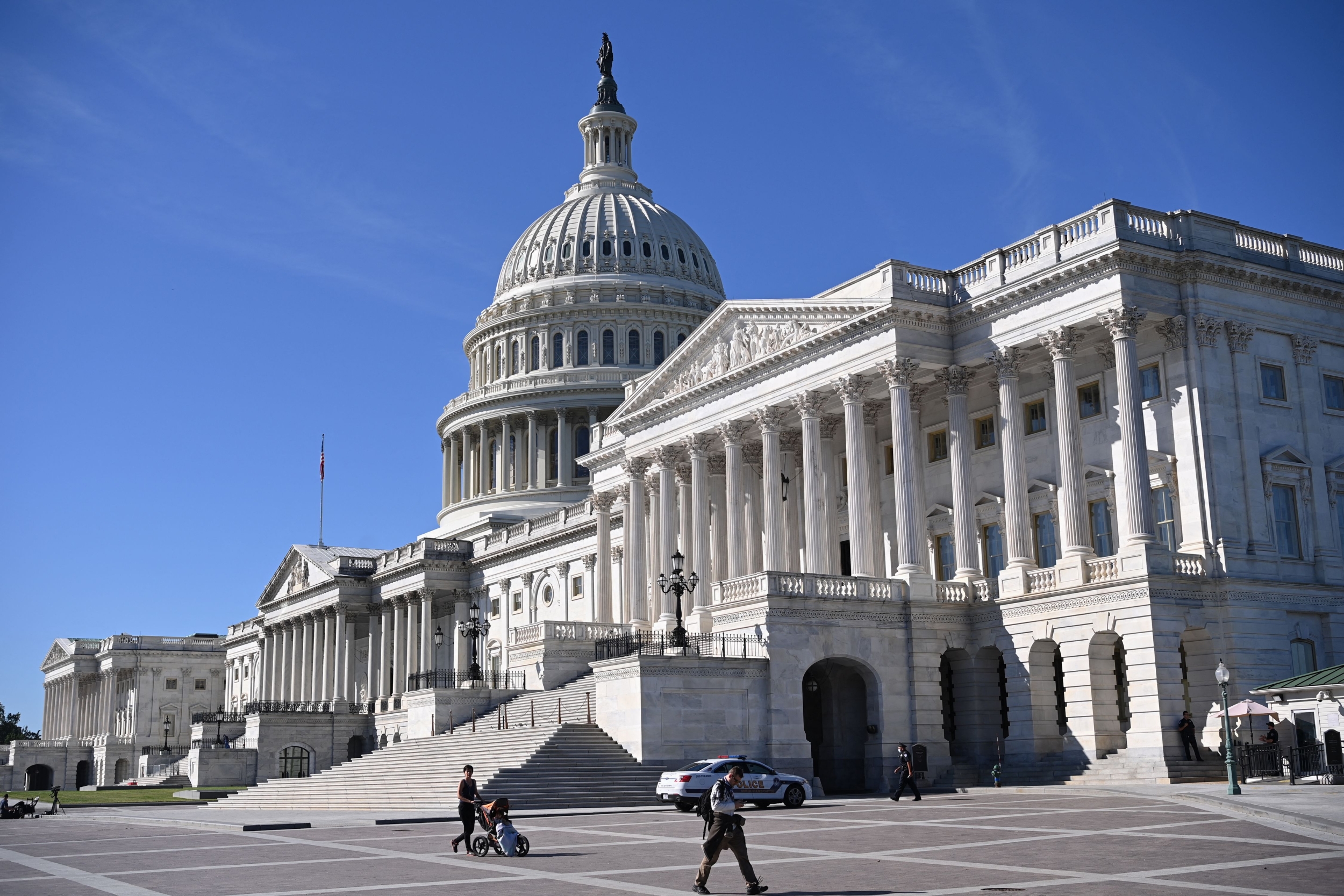
86% of Americans want members of Congress to stop trading stocks. Republicans glued the ban to a strict voter ID law, so it died in the Senate 53–47 on September 30. Fifteen Republican senators on this site voted to advance the package, and many of them have stock trading problems of their own.
On September 29, the Senate voted 47–51 against forcing a vote on asking the State Department for a report on nine U.S. citizens killed by Israeli soldiers and settlers since 2022. Fourteen Republicans with report cards on this site voted no.
On September 29, thirteen Republican senators on this site voted to keep a Trump administration rule that makes Obamacare coverage harder to get. HHS itself estimates the rule could cost 1.2 million to 2 million people their health insurance.
The joint fundraising PAC behind Marsha Blackburn's campaign for governor sends donor emails with subjects like 'CORRECTION REQUIRED' and 'Notice of Rescindment,' warning of 'permanent' changes to a 'Voter Profile' and 'MAGA loyalty file.' The same week, the Senate passed an anti-scam bill she championed.
A new Health Affairs analysis finds the 2025 budget bill's limits on Medicaid payments will likely force three dozen states to cut what they pay doctors and hospitals by more than $50 billion a year, starting in 2028. Fewer providers are likely to take Medicaid patients. These 76 Republicans on our report cards, from the 15 states facing the biggest cuts, voted yes.
The House passed a resolution ordering U.S. forces out of the Iran war in July. The Senate finally voted on it September 24 and it failed 49-50. Fourteen senators on our report cards voted no — including Jon Husted, who said two days earlier the war 'needs to come to an end as quickly as possible.'
On April 16 a war powers resolution failed 213-214. On May 14 the next one deadlocked 212-212, and a tie fails. Either one needed exactly one Republican to switch. Only Thomas Massie, who has no page here, voted yes both times.
Updated October 15: David Rouzer skipped a UNC Wilmington forum and Russell Fry backed out of an NAACP forum six hours before it started; Tom Cotton's only agreed debate fell through. October 12: Keith Self, asked on national TV whether he would debate, called the district 'my seat.' October 10: Cliff Bentz declined four debate invitations because accepting would make his opponent look 'credible,' Jim Pillen called debates 'theater,' and Julie Fedorchak pulled out of North Dakota's public TV debate. Earlier: Jeff Hurd declined televised debate invitations and agreed to one 30-minute session before a friendly audience instead. John McGuire says he'll debate when his opponent apologizes for raising a BlackRock sale the disclosure records in his wife's retirement account. They join fourteen Republicans we have already documented ducking the one event they can't script.
H.R. 10377 would drop every noncitizen from the count used to hand out House seats, force a new apportionment before the 2028 election, and put a citizenship question on every future census. The Fourteenth Amendment — which Clyde's filing cites as its authority — says to count 'the whole number of persons in each State.'